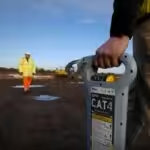
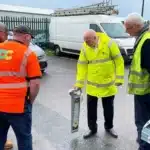
A service strike does not usually happen because somebody ignored the risk. More often, it happens because somebody assumed the cable route was obvious, trusted an old drawing, or used detection equipment without proper training. That is exactly why cat and genny training matters on UK sites. If your work involves digging, breaking ground or setting out for excavation, knowing how to locate underground services properly is not optional – it is part of safe, competent site practice.
For contractors, site managers and operatives, the issue is not just avoiding delay. Hitting an electric cable, petrol main, water pipe or telecoms line can cause serious injury, major disruption and costly damage. It can also raise difficult questions around competence, supervision and whether suitable precautions were in place under HSE guidance and wider legal duties.
Why cat and genny training matters on site
A cable avoidance tool and signal generator are standard pieces of kit on many construction and groundworks projects, but equipment alone does not make a site safe. The real value comes from understanding how to use the tools correctly, how to interpret the readings, and where the limitations are.
That matters under the Health and Safety at Work etc. Act, and it also ties into PUWER. If work equipment is being used, employers need to make sure it is suitable, maintained and used by people who have received adequate information, instruction and training. In practice, that means a CAT and Genny should not simply be handed to an operative with a quick verbal briefing and an assumption that they will work it out.
There is also the wider duty to plan excavation work properly. HSE guidance on avoiding danger from underground services is clear that detection equipment should form part of a broader safe system of work. Records, drawings, site surveys, marking out and safe digging methods all have a role. Cable Avoidance Training helps operatives understand where the equipment fits into that process, rather than treating it as a standalone fix.
What cat and genny training normally covers
Good cat and genny training is practical first and theoretical second. People need enough background knowledge to understand the risk, but the course should focus on what happens on a real site, with real equipment and real consequences if mistakes are made.
Most Cable Avoidance Courses cover the types of underground services likely to be encountered, the hazards they present and the common causes of service strikes. From there, training moves into the operation of the cable avoidance tool itself, including power mode, radio mode and generator mode, as well as the purpose and correct use of the signal generator.
A competent cat and genny course should also cover pre-use checks, battery condition, equipment limitations and the effect of ground conditions or site congestion on readings. This is where many avoidable errors happen. The machine might be working exactly as designed, but if the user does not understand signal bleed, multiple service routes, shallow depth variation or interference, the results can be misread.
That is also why practical scanning technique matters. A proper cable avoidance training course will show operatives how to sweep the area systematically, confirm findings, mark routes and avoid relying on a single pass. In live site conditions, rushed scanning is one of the biggest risks.
Cat and genny training is not just for groundworkers
There is a tendency to treat CAT and Genny use as a task for one person on the gang. In reality, the knowledge is relevant to a much wider group. Groundworkers and machine operators clearly need it, but so do supervisors, foremen, utility teams and anybody involved in planning or controlling excavation work.
If you operate plant, understanding service detection is part of working safely around buried hazards. An excavator operator, for example, may not be the person carrying out the scan, but they still need to understand the markings, the exclusion controls and the consequences of digging beyond the agreed method. That sits naturally alongside wider site competence gained through excavator training, dumper training or telehandler training.
The same applies on mixed-use sites where lifting, loading or movement of plant takes place around planned excavations. Supervisors and support personnel benefit from aligned safety knowledge through courses such as forklift training, lorry loader training and slinger signaller training.
What a recognised training provider should give you
Not all cat and genny training is equal. A short toolbox talk has its place, but it is not the same as structured instruction delivered by an approved NPORS Provider, like Vally Plant Training. If you are booking cat and genny training for yourself or your workforce, the key question is whether the training will stand up to scrutiny if there is an incident, a client audit or a competence check.
That means looking at who delivers the NPORS Cat and Genny course, what accreditation or approval sits behind it, and whether the training is built around practical workplace use. A credible NPORS provider should be able to explain the course content clearly, confirm how competence is assessed and advise whether on-site delivery is suitable for your operation.
For employers, there is also a commercial point here. Direct booking with a genuine NPORS Training Provider is usually the clearest route. It gives you direct access to instructors, clearer scheduling and fewer surprises on cost. That is especially useful if you are coordinating multiple categories of training or combining short courses with plant tickets and competence-based qualifications.
Where operators need to build broader evidence of skill and experience, formal progression routes such as NVQ assessment can also support long-term workforce competence.
How cat and genny training supports compliance
Cable Avoidance Training does not remove risk by itself, but it does help employers show that reasonable steps have been taken to provide instruction and reduce foreseeable harm. That matters if something goes wrong.
Under PUWER, equipment users need adequate training. Under RIDDOR, certain incidents involving utility strikes, dangerous occurrences or injuries may need to be reported. If a service strike leads to serious consequences, investigators will want to know whether the job was planned correctly, whether equipment was used properly and whether the people involved were competent.
LOLER is less directly connected to CAT and Genny use, but it often becomes relevant on sites where lifting operations and excavation activity overlap. The bigger point is that site safety does not work in isolated boxes. Employers need a joined-up approach covering plant, lifting, service avoidance, supervision and reporting.
That is where structured cat and genny training makes a difference. It creates consistency in how tasks are carried out, reduces guesswork and helps site teams speak the same operational language.
Who should refresh their training
If somebody uses cable avoidance equipment rarely, refresher training can be just as important as first-time training. Skills fade when they are not used often, and bad habits can build up when people rely on memory rather than method.
Refresher training is particularly worth considering after an incident, after a near miss, when new equipment is introduced or when an operative returns to service detection work after a long gap. It is also sensible where clients, principal contractors or internal audits demand a clearer record of current competence.
For employers managing several operatives, on-site delivery can be the practical option. It reduces travel, limits downtime and allows instruction to be linked to the actual conditions and equipment your teams use.
Choosing the right course for your site
The right cable avoidance course depends on the work being done. A small contractor carrying out occasional shallow excavations may need a straightforward competence course for a limited number of operatives. A larger business running multiple gangs across utilities, civils or agricultural contracts may need a wider training plan that covers plant operation, lifting support and service detection together.
That is one reason many employers prefer dealing directly with a specialist provider, like Vally Plant Training rather than through a broker. You can ask direct questions, explain the work environment and make sure the training matches the actual risk profile of the job.
Vally Plant Training provides practical, compliance-focused instruction for construction, plant and allied sectors, with direct access to experienced trainers and assessors rather than middlemen. For businesses that need workforce training with minimal disruption, that direct approach is usually the most efficient way to get competent people on site quickly.
Cat and genny training is not about ticking a box before the dig starts. It is about giving people the skill and judgement to stop a preventable mistake before it becomes an injury, an outage or a very expensive phone call.
Related Posts