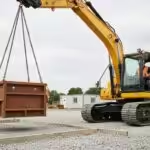
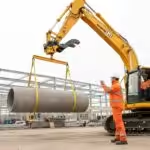
Using an excavator for lifting operations—often referred to as using an excavator as a crane—is a common practice across UK construction sites. While excavators offer flexibility and cost savings, lifting suspended loads introduces additional risks, legal responsibilities, and training requirements.
This complete guide covers everything you need to know about lifting with excavators, including safety, compliance, and the importance of excavator as a crane training, excavator underslung loads courses, and NPORS excavator lifting courses.
What Does “Excavator as a Crane” Mean?
The term excavator as a crane refers to using an excavator to lift and move suspended loads using chains, slings, or lifting accessories attached to a certified lifting point.
Typical lifting tasks include:
- Pipe and drainage installation
- Lifting manholes and concrete rings
- Moving building materials
- Handling pallets and site equipment
Because excavators are not specifically designed for lifting, operators must follow strict procedures and often complete lifting with excavator training to ensure safe operation.
Why Excavator as a Crane Training Is Essential
One of the most important aspects of safe lifting is proper training. Many incidents occur due to lack of knowledge or incorrect use of equipment.
Types of Training Available
- Excavator as a crane training
- Excavator lifting courses
- Excavator underslung loads courses
- NPORS excavator as a crane training
- CPCS lifting operations endorsements
These courses teach operators how to:
- Interpret load charts correctly
- Attach and manage underslung loads safely
- Understand lifting limitations
- Comply with UK regulations
Without proper excavator lifting training, operators are at a much higher risk of causing accidents or breaching legal requirements.
Excavator vs Crane: Key Differences in Lifting
Understanding the limitations of excavators is critical when deciding whether they are suitable for lifting.
Stability
Cranes are built for lifting with stabilisers and counterweights. Excavators rely on their base, making them more prone to tipping—especially when handling underslung loads.
Movement
Excavators lift in an arc rather than vertically, which can cause load swing and instability.
Load Capacity
Excavator lifting capacity decreases significantly as the reach increases, unlike cranes which are designed for extended lifting operations.
Understanding Excavator Lifting Capacity
Before attempting any lift, operators must understand how capacity works.
Key Factors Affecting Lifting Capacity
- Radius (distance from machine)
- Boom and arm configuration
- Machine size and weight
- Ground conditions
- Attachment type
This is why excavator lifting courses place heavy emphasis on load chart interpretation.
Load Charts Explained
Load charts provide:
- Maximum safe lifting capacities
- Limits based on reach and angle
- Differences between lifting over the front and side
Operators trained through excavator as a crane training programmes learn how to read and apply these charts safely.
What Are Underslung Loads?
An underslung load is any load suspended below the excavator using lifting gear such as chains or slings.
Handling these loads safely requires specific training, often delivered through excavator underslung loads courses.
Risks of Underslung Loads
- Load swing
- Loss of control
- Increased tipping risk
- Attachment failure
Because of these risks, many sites require proof of underslung loads training before allowing lifting operations.
Essential Equipment for Lifting with Excavators
Using the correct equipment is just as important as training.
Lifting Points
Only use certified lifting eyes or hooks designed for lifting operations.
Quick Hitches
Must be compatible, secure, and rated for lifting tasks.
Lifting Accessories
- Chains
- Slings
- Shackles
All must be certified and clearly marked with Safe Working Loads (SWL).
Safety Systems
Modern excavators may include:
- Load moment indicators
- Check valves
- Overload warnings
Legal Requirements in the UK
Lifting with excavators is governed by strict regulations, particularly:
LOLER
Under LOLER, all lifting operations must be:
- Properly planned
- Supervised
- Carried out safely
Key Compliance Requirements
- Equipment must be inspected regularly
- Operators must be trained and competent
- Lifting accessories must be certified
- A lifting plan may be required
Completing NPORS excavator as a crane training or similar recognised courses helps ensure compliance with these regulations.
Do You Need a Lifting Plan?
Yes—especially for complex or non-routine lifts.
A proper lifting plan should include:
- Load weight and dimensions
- Equipment to be used
- Ground conditions
- Risk assessment
- Roles and responsibilities
Many excavator lifting courses teach how to develop and follow lifting plans effectively.
Common Risks When Lifting with Excavators
Even with training, lifting operations carry risks.
1. Tipping
Caused by overloading or excessive reach
Solution: Follow load charts and keep loads close
2. Load Swing
Caused by sudden movements or poor control
Solution: Use tag lines and operate smoothly
3. Equipment Failure
Caused by damaged or incorrect lifting gear
Solution: Inspect all equipment before use
4. Ground Instability
Caused by soft or uneven surfaces
Solution: Assess and prepare ground conditions
5. Lack of Training
One of the biggest causes of accidents
Solution: Complete certified lifting with excavator training
Best Practices for Safe Excavator Lifting
To minimise risk and improve efficiency:
- Always complete a risk assessment
- Keep loads as low as possible
- Avoid lifting over the side
- Use trained signalers
- Communicate clearly at all times
- Never exceed rated capacity
Operators who have completed excavator as a crane training are far more likely to follow these best practices.
Benefits of Excavator Lifting (When Done Correctly)
- Cost-effective alternative to cranes
- Increased site efficiency
- Multi-purpose machine use
- Ideal for confined or restricted areas
Limitations of Using Excavators as Cranes
Despite their benefits, excavators are not suitable for all lifting operations.
Avoid using excavators for:
- Heavy or complex lifts
- High precision lifting tasks
- Long-radius lifting
- High-risk environments
In these cases, a crane is always the safer option.
Choosing the Right Excavator Lifting Course
If you’re looking to improve safety and compliance, choosing the right training is essential.
Popular Options Include:
- Excavator as a crane training
- NPORS excavator as a crane training
- Excavator underslung loads courses
- Lifting with excavator training UK
- CPCS A59 lifting operations endorsement
These courses not only improve safety but also increase employability and ensure compliance with UK regulations.
Final Thoughts
Using an excavator as a crane is a valuable and widely used method on construction sites—but it comes with serious responsibilities. Proper planning, the right equipment, and certified excavator lifting training are essential for safe and compliant operations.
By completing recognised courses such as NPORS excavator as a crane training or excavator underslung loads courses, operators can significantly reduce risks and ensure they meet legal requirements under LOLER.
If you’re involved in lifting operations, investing in the right training isn’t just recommended—it’s essential.
Related Posts