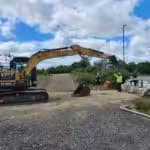
Excavators are versatile machines known for their prowess in digging and earth-moving operations. However, with the right training and equipment, they can also serve as efficient cranes. At Vally Plant Training, we provide comprehensive NPORS (National Plant Operators Registration Scheme) training to equip operators with the skills needed for the use of Excavator As A Crane.
Understanding NPORS
What is NPORS?
NPORS is a widely recognised certification scheme for plant operators. It ensures that operators have the necessary skills and knowledge to handle various types of machinery, including excavators used as cranes. This certification is crucial for safe and efficient operations on all sites where the machine is used. Book your Excavator As A Crane Training Today
Importance of NPORS in Excavator Crane Operations
When an excavator is used as a crane, the operator must be well-versed in both excavator and crane operations. NPORS training covers the specific requirements for such dual functionality, ensuring that operators can seamlessly transition between tasks. Excavator As A Crane is essential for all lifting operations
Lifting with Excavator
Equipment Requirements
For an excavator to function as a crane, certain modifications and additional equipment are necessary. This includes a lifting attachment, such as a lifting hook or grab, which is securely attached to the excavator arm.
Load Capacity and Stability
One of the critical aspects of using an excavator as a crane is understanding its load capacity and maintaining stability during lifting operations. NPORS training emphasises the importance of calculating loads, understanding machine limitations, and ensuring a stable operating environment. Excavators used to lift over a tonne is required to have a load capacity indicator fitted to the machine and must be turned on when operating. All excavators under 1 tonne do not require this but must have the safe lifting capacity clearly marked on the boom or dipper arm.
Crane Operations with Excavators
Proper Setup and Inspection
Before engaging in any lifting operations, it is essential to conduct a thorough inspection of both the excavator and the lifting attachment. Our training emphasises the proper setup, including checking for any signs of wear, ensuring secure attachment, and verifying hydraulic systems.
Safe Lifting Techniques
Lifting with an excavator requires a different set of techniques compared to traditional crane operations. Our NPORS training provides hands-on experience in employing safe lifting practices, including proper load positioning, controlled movements, and effective communication with ground personnel.
Emergency Procedures
In the event of an emergency or equipment malfunction during crane operations, quick and decisive actions are crucial. NPORS training at Vally Plant Training includes comprehensive instruction on emergency procedures, ensuring operators can respond effectively to unexpected situations.
Our Services at Vally Plant Training
Specialised NPORS Courses
At Vally Plant Training, we offer specialised NPORS Excavator As A Crane Training courses specifically tailored for Excavator As A Crane operations. Our training programs cover the theoretical and practical aspects of using excavators as cranes, ensuring that operators are fully equipped to handle diverse lifting tasks.
Experienced Instructors
Our instructors bring a wealth of experience to the training sessions. They not only guide operators through the theoretical aspects but also provide hands-on Excavator As A Crane Training, allowing operators to gain confidence in real-world scenarios. All our Trainers hold certification for lifting operations including, crane/lift supervisor and slinger signaller.
Training Facilities
Vally Plant Training’s facilities, complete with the latest equipment and technology. Our training environments simulate actual working conditions, providing operators with a realistic experience.
Excavator as a crane: your questions answered
Planning to lift with an excavator? Find answers about training, tickets, lifting limits and the checks needed before work starts.
Can an excavator be used as a crane?
Yes, an excavator can lift freely suspended loads when the manufacturer permits that use and the machine is suitable for the planned lift. The operator must understand the lifting limits, use an approved lifting point and follow a properly planned lifting operation. A machine that can dig is not automatically ready to lift drainage pipes, manhole rings or trench boxes safely. Our NPORS Excavator as a Crane Training helps excavator operators develop the knowledge and practical skills needed for this additional role.
Do I need an excavator as a crane ticket if I already have a digger ticket?
Do not assume your existing digger ticket covers lifting suspended loads. Check the categories and endorsements on your card, your previous training and the requirements of the site where you work. Normal excavation skills and suspended-load lifting skills are different. The 360 Excavator Training Course covers excavator operation, while the NPORS N100 Excavator as a Crane route addresses the specialist lifting role. Send us your current card details so we can advise on the appropriate training or assessment.
How long does NPORS Excavator as a Crane training take?
Vally Plant Training offers a two-day novice lifting course for up to four candidates and a one-day Experienced Worker Test programme for up to six candidates. The novice lifting route is aimed at excavator operators who need instruction in suspended-load work; it is not a complete beginner’s excavator course. Experienced assessment is suitable for operators who already have the required lifting ability. View the N100 course durations and training routes to choose the right option.
How much does an excavator as a crane course cost?
Our Excavator as a Crane Experienced Worker Test starts from £360 + VAT at the Tewkesbury centre, with an NPORS registration charge of £45 + VAT where applicable. Novice training and nationwide customer-site delivery are priced separately. The right quote depends on the training route, candidate numbers and location. Check the current excavator lifting course prices or call 01684 297167 to discuss your booking.
Do I need a lift plan when lifting with an excavator?
Yes. Excavator lifting operations must be properly planned by a competent person, appropriately supervised and carried out safely. The plan should address the load, lifting radius, machine configuration, ground conditions, lifting accessories, exclusion zone and communication arrangements. Its detail should match the risks and complexity of the work. Our Appointed Person Training focuses on planning lifting operations, while Lift Supervisor Training covers the supervision role.
How much weight can an excavator safely lift?
An excavator’s safe lifting capacity depends on its manufacturer’s lifting chart, configuration, lifting radius, load height and operating conditions. Machine weight alone does not tell you what it can lift. Use the chart for the actual setup and account for lifting accessories and attachments as instructed by the manufacturer. Never estimate capacity from a previous lift or another machine. Our excavator lifting training covers how to interpret lifting information and recognise limits before moving a suspended load.
Does an excavator need a LOLER examination if it only lifts occasionally?
Yes. An excavator used for lifting needs a thorough examination by a competent person, even if suspended-load work is only occasional. For equipment lifting goods, the usual examination interval is 12 months; lifting accessories normally require examination every six months, unless a competent person’s written examination scheme specifies different intervals. Servicing and daily checks do not replace thorough examination. Before arranging on-site excavator lifting training, check that the machine and accessories have the relevant examination reports.
Do I need a slinger signaller when lifting with an excavator?
The lifting plan must identify how loads will be attached and how the operator will receive clear instructions. Anyone selecting lifting accessories, slinging loads or signalling must be competent for that work. A trained slinger signaller is particularly important where the operator cannot clearly see the load or landing area. Holding an excavator ticket does not automatically establish competence in slinging. Our NPORS Slinger Signaller Training develops the separate skills needed to attach loads and communicate safely during lifting.
Can excavator as a crane training be carried out at our workplace?
Yes. Vally Plant Training delivers Excavator as a Crane training at suitable customer sites throughout the UK, as well as at our Tewkesbury centre in Gloucestershire. On-site delivery can help teams train with the machinery and lifting tasks they use at work. You will need a suitable excavator, approved lifting arrangements, appropriate examination records and a safe training area. Tell us your location, candidate numbers and experience when enquiring about nationwide on-site N100 training.
Do I need an NVQ after passing my excavator as a crane test?
An NVQ is not automatically required for every operator taking the Excavator as a Crane assessment. It becomes relevant when following a competency-card route, such as progressing from an NPORS CSCS Red Trained Operator Card to a Blue Competent Operator Card. The qualification and category evidence must match your registration and work. If you already hold a Blue Card, ask how the additional lifting category should be recorded. Our Red-to-Blue Card and NVQ guidance explains the progression route.
Using an excavator for lifting operations—often referred to as using an excavator as a crane—is a common practice across UK construction sites. While excavators offer flexibility and cost savings, lifting suspended loads introduces additional risks, legal responsibilities, and training requirements. This complete guide covers everything you need to know about lifting with excavators, including safety, […]
Today, proficiency in operating heavy machinery is indispensable. Among these, excavators play a pivotal role in various construction projects. To ensure the safe and efficient use of these earthmoving giants, proper training and certification become imperative. In this blog, we will delve into the essentials of NPORS (National Plant Operators Registration Scheme) excavator training and […]
Welcome to the comprehensive guide on NPORS Slinger Signaller training brought to you by Vally Plant Training – your trusted partner in lifting operations education. As lifting operations play a crucial role in various industries, ensuring that your team is well-trained in signalling and slinging is paramount. This guide aims to provide a detailed understanding […]
In any construction or industrial site where lifting operations are prevalent, ensuring safety is paramount. Among the key personnel responsible for overseeing these operations is theLift Supervisor. The National Plant Operators Registration Scheme (NPORS) offers comprehensive Lift Supervisor training, equipping them with essential skills and knowledge to ensure safe and efficient lifting operations. In this […]